
Online Forex Trading Platform: the fundamentals that separate the amateurs from the professionals
What exactly is an online forex trading platform?
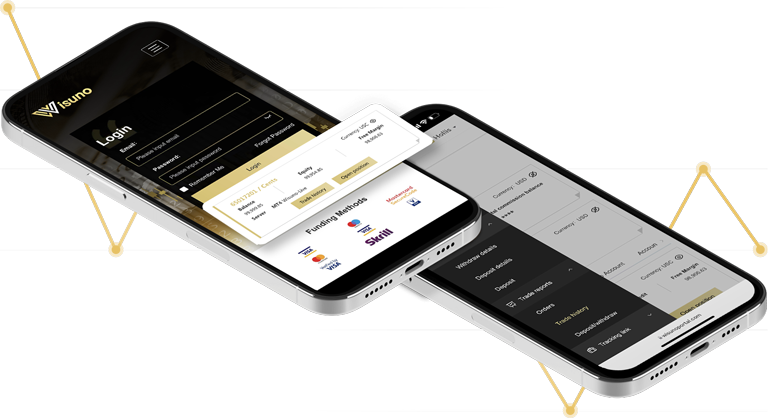
Put simply, an online forex trading platform is a digital solution provided by a broker or trading institution that enables users to view currency price quotes, set up trades, monitor orders, and manage risk. It brings together live streaming rates, execution capabilities, charting tools, and account management features. Anyone who wants to trade EUR/USD or USD/JPY or more exotic pairs will do so via a trading platform. The online nature means that from a smartphone, tablet or laptop, you can gain access to the FX market in real time anywhere in the world.
Why does the choice of platform matter?
The platform you choose will affect several key factors of your trading business. First execution speed: if you are scalping or pursuing short-term opportunities, every millisecond counts. Second, cost transparency: some platforms may show tight spreads in marketing communications, but in live conditions, your experience may differ if the platform or broker has execution delays, slippages, or requotes. Third functionality: robust charting tools and risk management features, such as stop-loss orders, alerts, trailing stops, and mobile compatibility, will determine how well you can execute your strategy. Fourth, reliability: outages, downtime, or unstable performance during volatile market conditions can hit you when you least expect it. Finally, regulatory and institutional robustness matter: a platform offered by a well-regulated broker signals higher levels of oversight and user protection.
Key features to evaluate when choosing a platform
When vetting platforms, ask the following questions. Does the broker who provides this platform hold a reputable license (for example, in the European Union, Australia, the UK, or Canada)? Are spreads and commissions disclosed and consistent with real execution conditions? Does the platform support the asset classes you intend to trade (not only major currency pairs but also minors, exotics, CFDs, and perhaps commodities)? How strong are the charting and analysis tools? Can you create custom indicators or set alerts? Is there a demo or practice account so you can test without risking real capital? Are there mobile and web versions with full functionality? How efficient are deposit and withdrawal options, particularly in your home region? Is customer support responsive, especially in critical times? The answers to all these will influence your trading environment.
Trends shaping online forex trading platforms in recent times
We now see several broader shifts. Mobile-first trading has become increasingly dominant: many traders rely on apps rather than desktop platforms. Platforms are increasingly offering multi-asset access so you can trade currencies alongside commodities indices or even cryptocurrencies. Competition among brokers has driven tighter spreads and lower fees, which place greater demands on platforms to deliver low latency and optimised execution. Moreover, heightened regulatory scrutiny in jurisdictions worldwide means tools such as negative-balance protection, advanced encryption and segregated client funds are becoming standard features. Finally, algorithmic and automated trading capabilities are becoming embedded in platforms, allowing traders to deploy scripts or use built-in “copy‐trading” features with relative ease.
Practical steps to select and test your online forex trading platform
Define your trading style. Are you a day trader scalper or a longer-term swing trader? Your platform requirements will vary accordingly.
Open a demo account with a shortlist of platforms. Test execution speed, how the charts respond, and how easy it is to place orders and manage risk.
Compare spreads in live conditions and note any slippage, especially during high-volatility sessions.
Verify broker regulation and terms of service. Read the small print: withdrawal terms, deposit methods, platform latency, and refund rights.
Test mobile functionality in your trading environment (for example, on your smartphone or tablet) to ensure it meets your needs.
Explore the support and educational resources offered by the platform and broker; good platforms will offer tutorials, webinars, and market commentary.
Once confident, transition to a live account with a modest allocation and monitor how the real environment compares to the demo.
Pitfalls and risks to be aware of
Even the best online forex trading platform cannot compensate for inadequate strategy or poor risk management. Common pitfalls include trading with an unregulated broker or using a platform from a poorly capitalised provider. Hidden costs, such as high swap/rollover rates, wide spreads during volatile periods, or inactivity fees, can erode your returns. Over-leverage remains a perennial risk in forex trading: even a single incorrect trade on a large leveraged position can wipe out significant capital. Finally, treat any platform trial with caution: some users may encounter execution issues or unsupported functionalities only after they deposit real funds.
Why it is especially relevant for crypto / multi-asset traders
Selecting a robust online forex trading platform is especially important for readers involved in crypto trading or multi-asset investing. Many crypto traders diversify into FX or use FX platforms for risk-hedging currency exposures. A platform that offers tight spreads, low latency and access to both the forex and crypto markets effectively provides more flexibility. In a world where institutional capital flows between crypto and fiat currencies with increased frequency, having a platform that can bridge these markets gives a competitive edge. Indeed, as your audience includes both beginners and intermediate traders, this kind of crossover capability can offer meaningful approach diversification.
How to optimise your platform use for success
Once you’ve selected your platform, you must invest time in mastering it. Create a watchlist of currency pairs and set up automated alerts. Develop templates for your chart layouts and timeframes. Please make consistent use of the risk-management functions, such as stop-loss and take-profit orders. Keep a trading journal, noting execution quality, spread conditions, slippage, and platform performance. Please review your outcomes regularly to ensure the platform is delivering as advertised. Are spreads widening during certain market sessions? Are mobile alerts reliable? Remember that even minor differences in execution cost over time can materially impact profitability.
Final thoughts
In the competitive world of currency trading, the choice of an online forex trading platform is not a secondary matter but a foundational decision. The platform shapes your execution environment, your cost structure, your risk control, and, ultimately, your ability to implement your trading plan. Whether you are a beginner trading part-time or a full-time trader working across assets, you must treat platform selection with the seriousness you give to strategy development and risk management. Invest the time to research demo platforms, test the user experience, measure the costs, and verify the broker’s regulations. A strong platform supported by a reputable broker becomes a competitive advantage in a market where seconds and basis points matter. Make that choice wisely, and you give yourself a far better chance of success in the dynamic arena of online forex trading.
Create An Unparalleled Trading Experience
At Wisuno, we deliver a secure, transparent, and innovative trading environment backed by trusted regulation, giving you confidence at every step.
Office 12, 3rd Floor, IMAD Complex, Ile Du Port, Mahe, Republic of Seychelles
support@wisunofx.com